
Closing Costs for Pre-Construction Condos, Including Tax and Legal Fees


Most pre-construction buyers budget for the deposit and the mortgage. Far fewer budget properly for closing day itself — and that's usually where the surprises show up, sometimes to the tune of tens of thousands of dollars beyond what you agreed to pay the builder.
Here's the full list of what you're actually on the hook for, separate from the purchase price.
Land Transfer Tax and HST — The Two Big Ones
Every Ontario buyer pays provincial Land Transfer Tax on closing, and inside the City of Toronto that's doubled by the municipal version on top. New-construction units also carry HST, which resale homes don't. Both of these are large enough — often $15,000–$30,000+ combined on a typical condo — that they deserve tax planning for real estate investors well before closing, not a line item you discover on the final statement.
Legal Fees Run Higher Than a Resale Closing
Pre-construction closings are more complex than resale ones — there's the interim occupancy stage, a builder's amendment or two along the way, and a final closing months or years after you signed. Expect legal fees in the $2,000–$3,500 range, noticeably more than a typical resale transaction, and confirm upfront whether your lawyer's quote includes reviewing the builder's Agreement of Purchase and Sale itself, since that review is worth doing separately if it isn't.
Development Levies and Education Charges
Municipalities charge developers for infrastructure — roads, sewers, schools — and builders generally pass some version of this cost to buyers. Many contracts cap this amount, but uncapped levy clauses have left some buyers with unexpected bills well into five figures at closing. Flagging an uncapped clause is exactly the kind of thing tax planning for real estate investors catches at the time you sign, rather than at closing two years later.
Tarion Warranty and Utility Hookup Fees
The Tarion new home warranty enrolment fee — currently averaging $1,790 per home — is technically paid by the builder, but it's frequently passed through in the unit's pricing or itemized on your final statement of adjustments. Utility hookup fees for hydro, water, and gas connections typically add another few hundred to over a thousand dollars. None of these individual charges are large on their own, but bookkeeping services for landlords is what makes reconstructing your full cost base at sale easier than piecing it together years later.
Interim Occupancy Fees: The Cost Buyers Forget About
Condos often reach "interim occupancy" before the building is legally registered — meaning you can move in and start living there, but you don't yet own the unit and can't get a mortgage on it. During this period, which can last anywhere from a few months to over a year, you pay the builder occupancy fees instead, roughly equivalent to what your mortgage interest, property tax, and condo fees would be. It isn't rent, and it isn't building equity — it's a real ongoing cost that needs a place in your budget separate from your actual mortgage payment once final closing happens.
Adjustments and Reserve Fund Contributions
At final closing, expect a statement of adjustments covering prorated property tax, a common expense adjustment, and often a reserve fund contribution equal to roughly two months of condo fees. If you're holding the unit through a corporation rather than personally, these adjustments also need to flow through correctly on corporate tax planning in Toronto, not just get filed away with the closing paperwork.
Which of These Costs Are Deductible
Whether any of this is tax-deductible depends entirely on whether the unit is your home or an investment. Legal fees, levies, and adjustments on an investment property can often be added to your adjusted cost base or deducted against rental income; none of it is deductible on a principal residence. Getting this split right is usually filed as part of a standard personal tax return, or through dedicated real estate tax planning if you're holding the unit as a rental.
Conclusion
Between land transfer tax, HST, legal fees, levies, warranty costs, occupancy fees, and closing adjustments, the true cost of a pre-construction condo can run well beyond the price on the sales brochure — often by 5–10% of the purchase price. Knowing which of these are fixed, which are capped, and which are deductible is the difference between a closing day that goes to plan and one that doesn't.
Goodaccounting is a CPA-led firm working with individuals and businesses across Toronto and the GTA on personal and corporate tax, bookkeeping, payroll, real estate tax, and incorporation — the kind of range a pre-construction buyer, landlord, or investor usually ends up needing at some point. Book a free consultation to get started.
Sources
- City of Toronto — Municipal Land Transfer Tax
- Tarion Warranty Corporation — New Home Enrolment Fee Schedule
- Canada Revenue Agency — GST/HST New Housing Rebate
- Bennett Jones LLP — New Tarion Rule: Purchaser Registration Requirements, 2026
Disclaimer: This article is for general informational purposes only and does not constitute professional accounting, tax, or financial advice. Every business situation is different, and tax laws can change. Please consult a licensed accountant in Brampton or the GTA before making any financial or tax decisions based on this content.
You might also like

Mississauga Real Estate Market Snapshot – September 2026
Last Updated Oct 9, 2026

Oakville Real Estate Market Snapshot – September 2026
Last Updated Oct 9, 2026
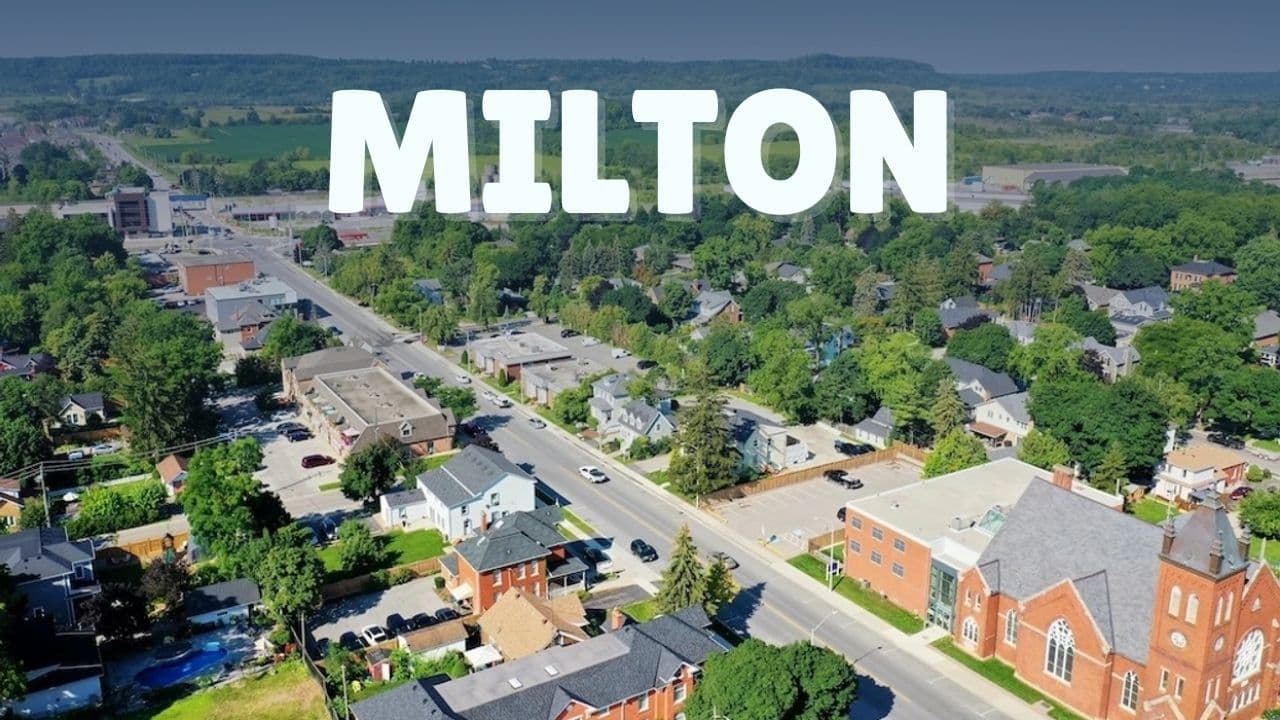
Milton Real Estate Market Snapshot – September 2026
Last Updated Oct 9, 2026
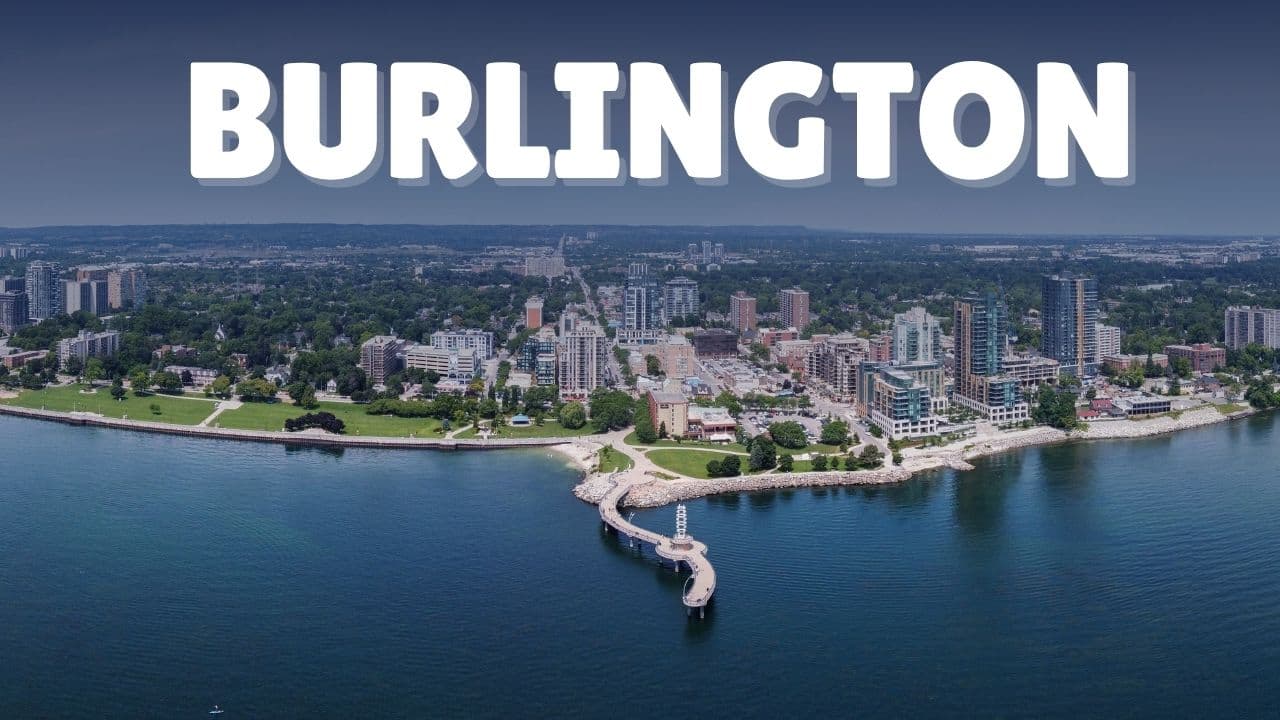
Burlington Real Estate Market Snapshot – September 2026
Last Updated Oct 9, 2026