
Tax Implications of Buying a Pre-Construction Condo in Toronto


You found the condo, the floor plan works, and the price feels almost reasonable for Toronto. Then your lawyer mentions land transfer tax, HST, and assignment sales all in the same phone call, and the number you had in your head stops making sense.
Toronto happens to be the only city in Canada that taxes you twice just for buying a home, and pre-construction adds a few extra wrinkles resale buyers never have to think about. Below is what actually applies, with current numbers.
Toronto's Double Land Transfer Tax, Explained
Every Ontario buyer pays provincial Land Transfer Tax (LTT) on closing. Buy inside the City of Toronto and you also owe the city's own Municipal Land Transfer Tax (MLTT) — same brackets, same rates, stacked on top of the provincial amount.
| Purchase Price | Provincial LTT | Toronto MLTT | Total |
|---|---|---|---|
| $600,000 | $8,475 | $8,475 | $16,950 |
| $750,000 | $11,225 | $11,225 | $22,450 |
| $1,000,000 | $16,475 | $16,475 | $32,950 |
On a pre-construction unit, this isn't due when you sign — it's calculated on final closing, based on the price at that point, upgrades included. First-time buyers can claim a combined rebate of up to $8,475, which covers most or all of the tax on units priced up to roughly $400,000 — but only if you actually move in, a condition worth double-checking against Toronto's real estate tax rules before you assume it applies. Investors buying a second unit don't get that break at all.
HST on New Construction Condos: What's Owed, What's Rebated
New-construction condos carry HST, which resale homes don't. Builders usually price it in and apply two rebates that have existed for years: a partial federal rebate that phases out between $350,000 and $450,000, and a partial Ontario rebate capped at $24,000 with no price limit.
What's changed for 2026: agreements signed between April 1, 2026 and March 31, 2027 can qualify for a much larger rebate covering the entire 13% HST on homes priced up to $1 million, tapering down to the old $24,000 floor by $1.85 million. On a $900,000 condo closing inside that window, that's roughly $117,000 in HST reduced to almost nothing.
One thing that catches investors specifically: if you're renting the unit out instead of living in it, this rebate doesn't apply to you at all — there's a separate rental property rebate that requires a signed one-year lease, and HST and GST filing in Toronto is where that paperwork actually gets handled correctly.
Assignment Sales and How the CRA Taxes the Profit
Sold your unit before it even closed? That's an assignment sale, and the CRA has been paying close attention to this part of the pre-construction market. The profit isn't automatically a capital gain — depending on your intent going in and how many similar deals you've done, it can get reclassified as fully taxable business income instead of a 50%-taxable gain. HST can also apply to the assignment fee itself.
Because the CRA has been reassessing these after the fact, CRA audit and dispute support is the process for challenging a reassessment rather than accepting it outright.
Living in It vs. Renting It Out: Why It Changes Your Tax Bill
Move in, and you may qualify for the Principal Residence Exemption, which makes any future gain on sale completely tax-free. Rent it out instead, and that protection disappears — you report rental income every year, deduct eligible expenses, and pay full capital gains tax on whatever it's gained in value by the time you sell.
Owner-occupiers typically file this through personal income tax filing in Toronto, while investors holding multiple units sometimes buy through a corporation instead — a route worth setting up correctly with corporate tax planning in Toronto rather than after the fact.
Closing Costs You Should Budget For Beyond Tax
Pre-construction closings also bring development levies, utility hookups, Tarion warranty fees, and legal fees — often 5–10% of the purchase price on top of the deposit already paid. Some of this is deductible for an investment property; none of it is for a home, and tax planning for real estate investors is what catches that distinction before it costs you on your return.
Conclusion
Between doubled land transfer tax, an overhauled HST relief program, and assignment sale rules the CRA is watching closely, the tax side of a Toronto pre-construction purchase has gotten more complicated — even as the potential savings have gotten bigger for buyers who get the details right. A second opinion before closing tends to be worth more than one after.
Goodaccounting is a CPA-led firm working with individuals and businesses across Toronto and the GTA on personal and corporate tax, bookkeeping, payroll, real estate tax, and incorporation — the kind of range a pre-construction buyer, landlord, or investor usually ends up needing at some point. Book a free consultation today.
Sources
- Canada Revenue Agency — GST/HST New Housing Rebate
- Canada Revenue Agency — Ontario New Residential Rental Property Rebate (GI-093)
- City of Toronto — Municipal Land Transfer Tax
- Ontario Newsroom — Legislation Supporting HST Relief on New Homes, 2026
Disclaimer: This article is for general informational purposes only and does not constitute professional accounting, tax, or financial advice. Every business situation is different, and tax laws can change. Please consult a licensed accountant in Brampton or the GTA before making any financial or tax decisions based on this content.
You might also like

Mississauga Real Estate Market Snapshot – September 2026
Last Updated Oct 9, 2026

Oakville Real Estate Market Snapshot – September 2026
Last Updated Oct 9, 2026
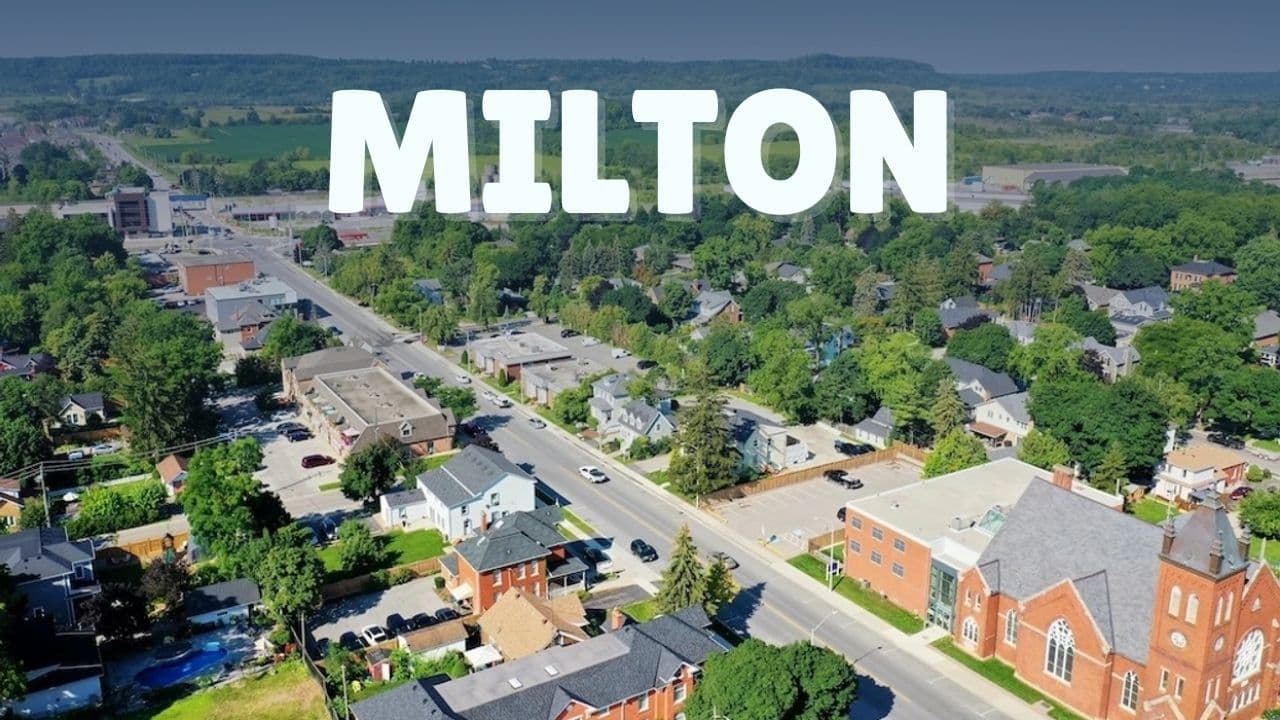
Milton Real Estate Market Snapshot – September 2026
Last Updated Oct 9, 2026
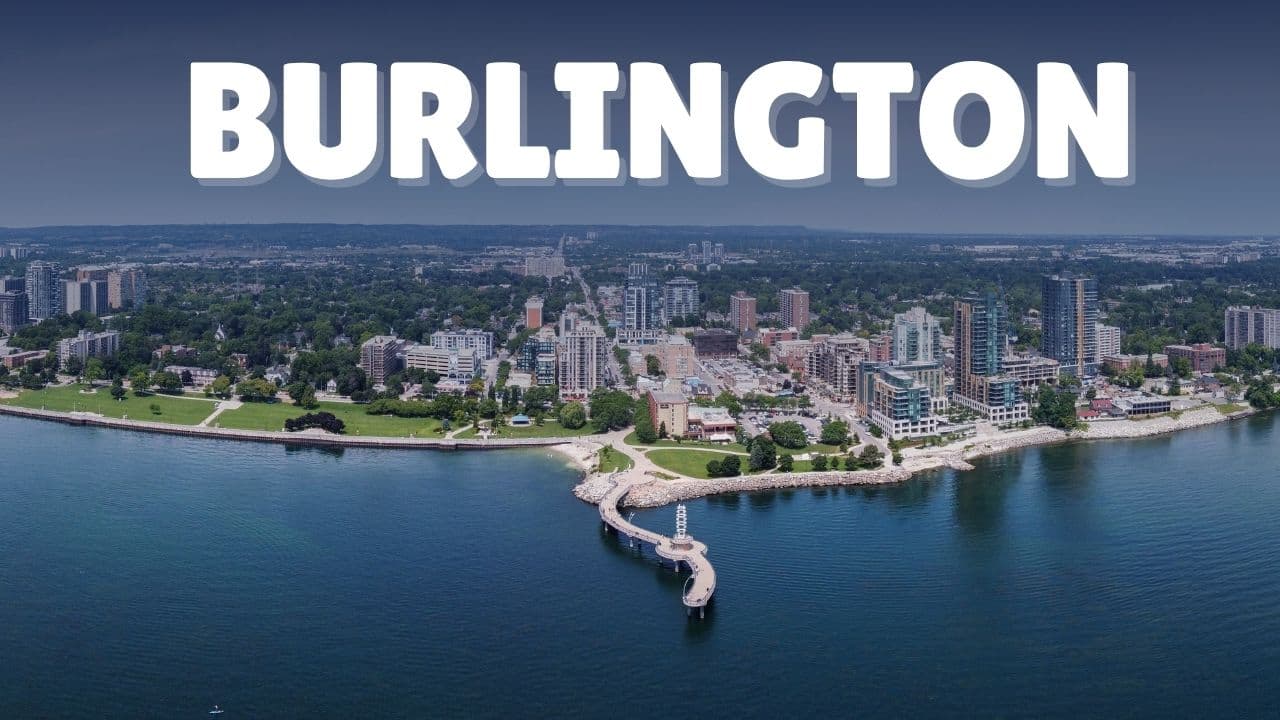
Burlington Real Estate Market Snapshot – September 2026
Last Updated Oct 9, 2026